
We dialogue across difference.
We navigate disagreement without division.
We build and hold space for viewpoint diversity.
Soliya, Facilitating the Future.
In a diverse world, dialogue isn’t optional. It’s essential.
Trusted by over 300 top universities, philanthropies, governments, and companies in 60+ countries.
Programs
Whether you’re looking to connect, level up, or master the art of hard conversations, our programs turn dialogue into impact.
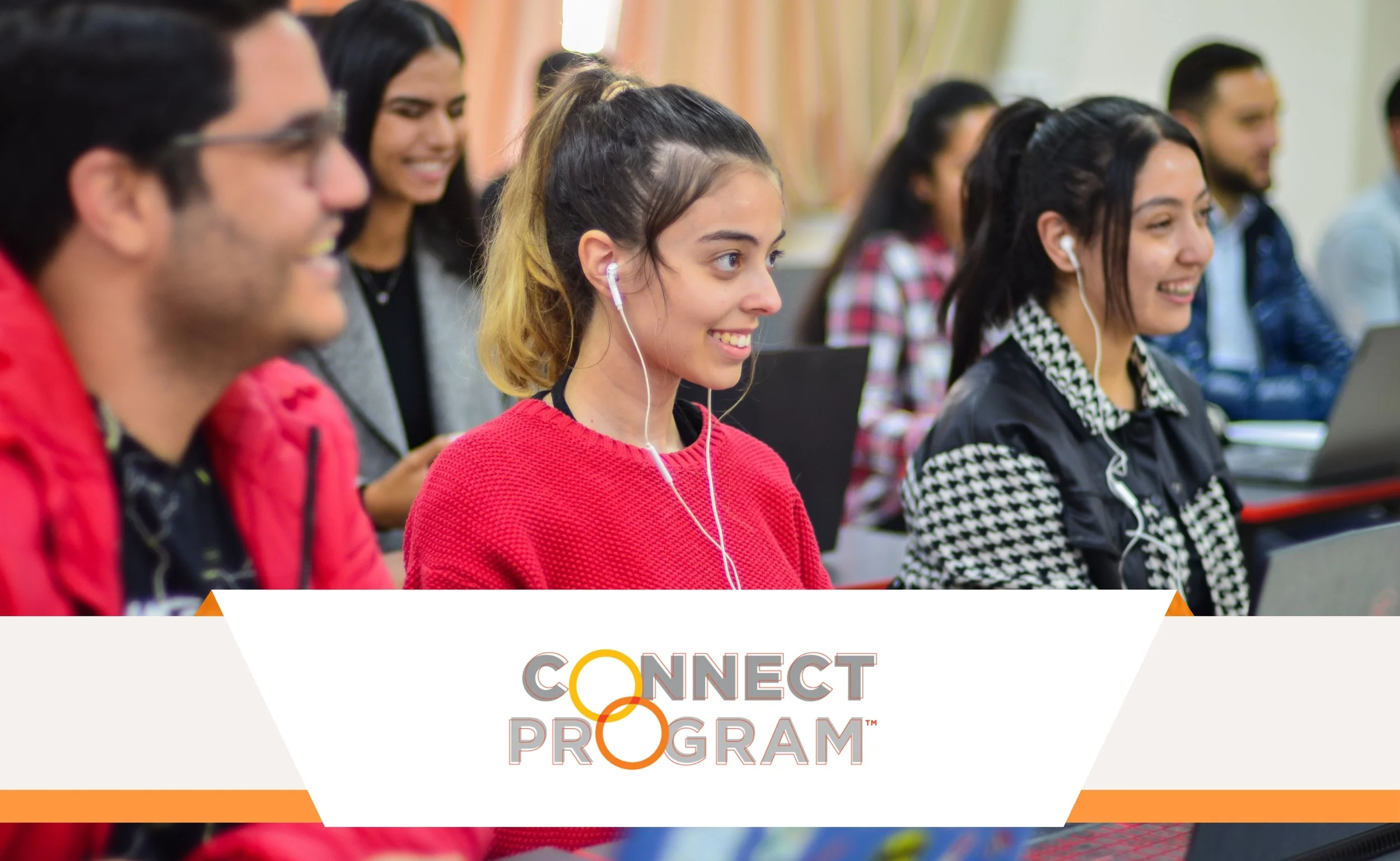
The Connect Program partners with universities and youth organizations around the world to give thousands of global students each semester a rare space to connect and talk honestly across divides — about identity, conflict, and what it really means to live and lead in today’s world.
The result? A unique, classroom-integrated experience backed by decades of research and implementation.
Participants: University students and members of youth organizations.
Length: 4, 5, 8 weeks
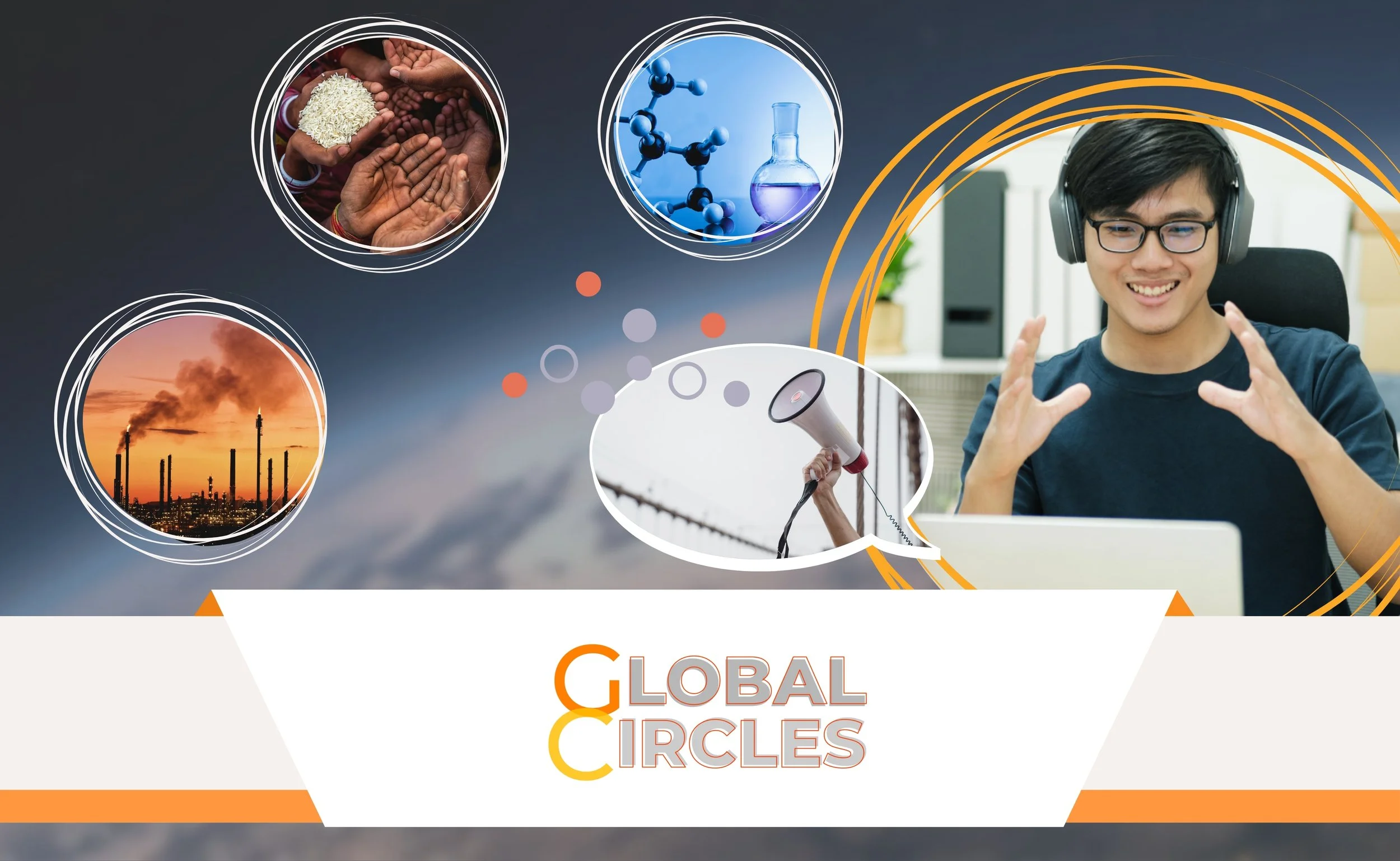
Global Circles is a pro-facilitated, accelerated dialogue where your voice matters on the global issues sparking debate and shaping our societies. Each Circle brings together hundreds of participants, dispatched into small groups to reflect a multiplicity of backgrounds, geographies, identities, and worldviews.
It's your opportunity to explore urgent, often sensitive global topics with others who may not think like you.
Length: 2 weeks
Participants: Everyone 18 or older is welcome.
Facilitation Training + Certification
Real skills. Real certification. Real opportunities.
Train to lead powerful conversations across divides—online and offline—with a direct path to paid work and UN-recognized certification.
Join Soliya’s Facilitator Community of Practice where our worldwide network of certified facilitators deepen their craft, grow their skills, and access continued training.

Services
What if the biggest risk to your mission isn’t disagreement, but how you deal with it?
In a divided world, top universities, Fortune 500s, and global organizations turn to Soliya for bold, on-demand training, dialogue, and consulting solutions that equip their people to lead and thrive across differences
Training
Consulting

Dialogue
Core Skills
Reported learning outcomes from participants in our programs:
90%
Shared what they learned
with their community
92%
Improved knowledge
of global events
94%
Improved cross-cultural
communication skills
90%
Increased
sense of belonging
Latest News
-

When War Makes Talking Feel Impossible
Dialogue can feel uncomfortable. Sometimes it feels tense or unfinished. Sometimes it asks people to sit with views they find difficult, painful, or even wrong. In moments like this, it can almost feel impossible. That is exactly why it matters.
-
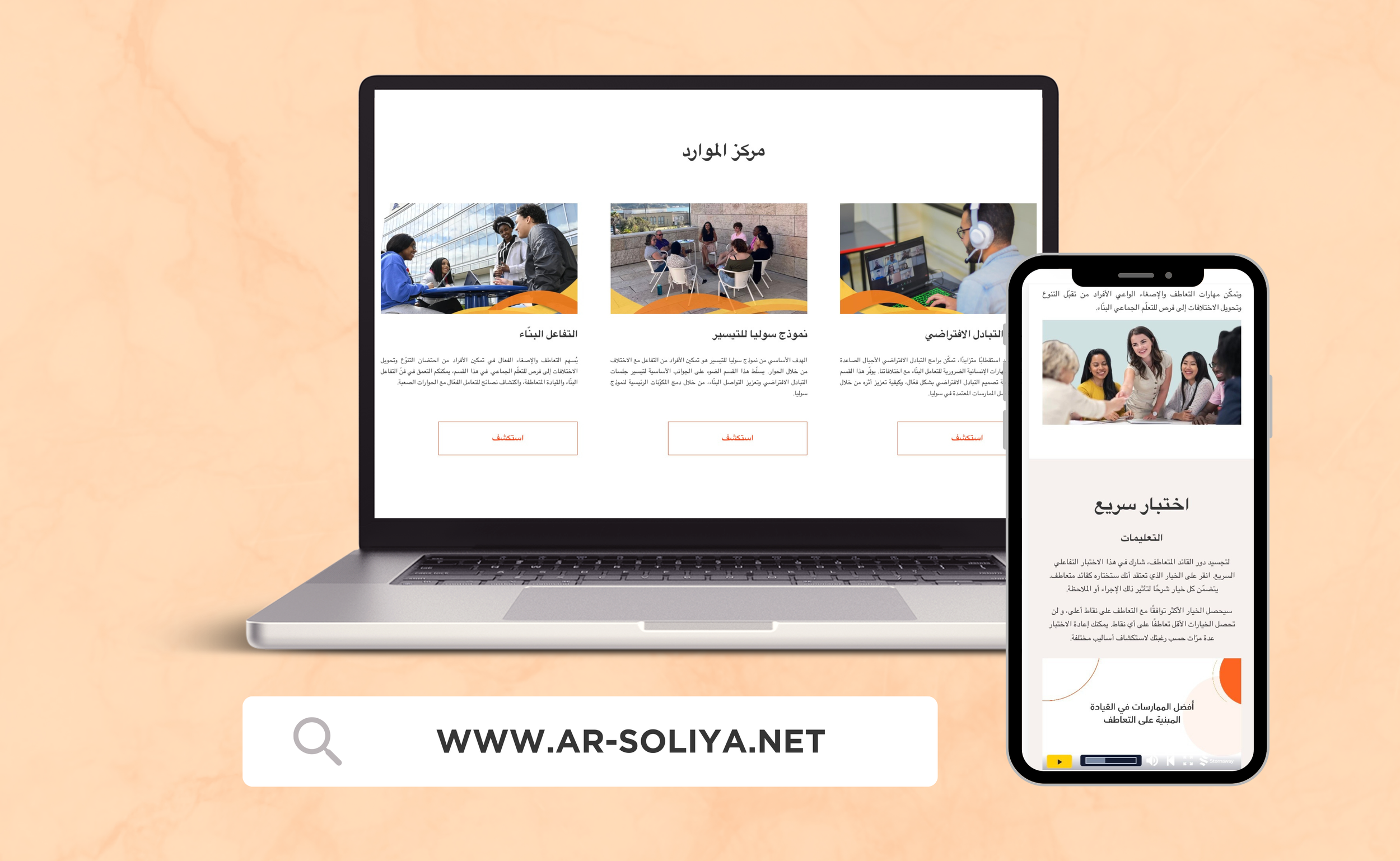
Soliya Launches Arabic-Language Resource Center
Soliya is proud to announce the launch of our Arabic Resource Center, a hub designed to make Virtual Exchange best practices more accessible across the MENA region. This milestone reflects our commitment to fostering constructive dialogue.
-
AFS Intercultural Programs and Soliya Join Forces
Two leading international organizations have joined forces to create a continuum of intercultural experiences that link in-person mobility, virtual exchange, facilitated dialogue, hybrid learning, and leadership development.